Lake District National Park
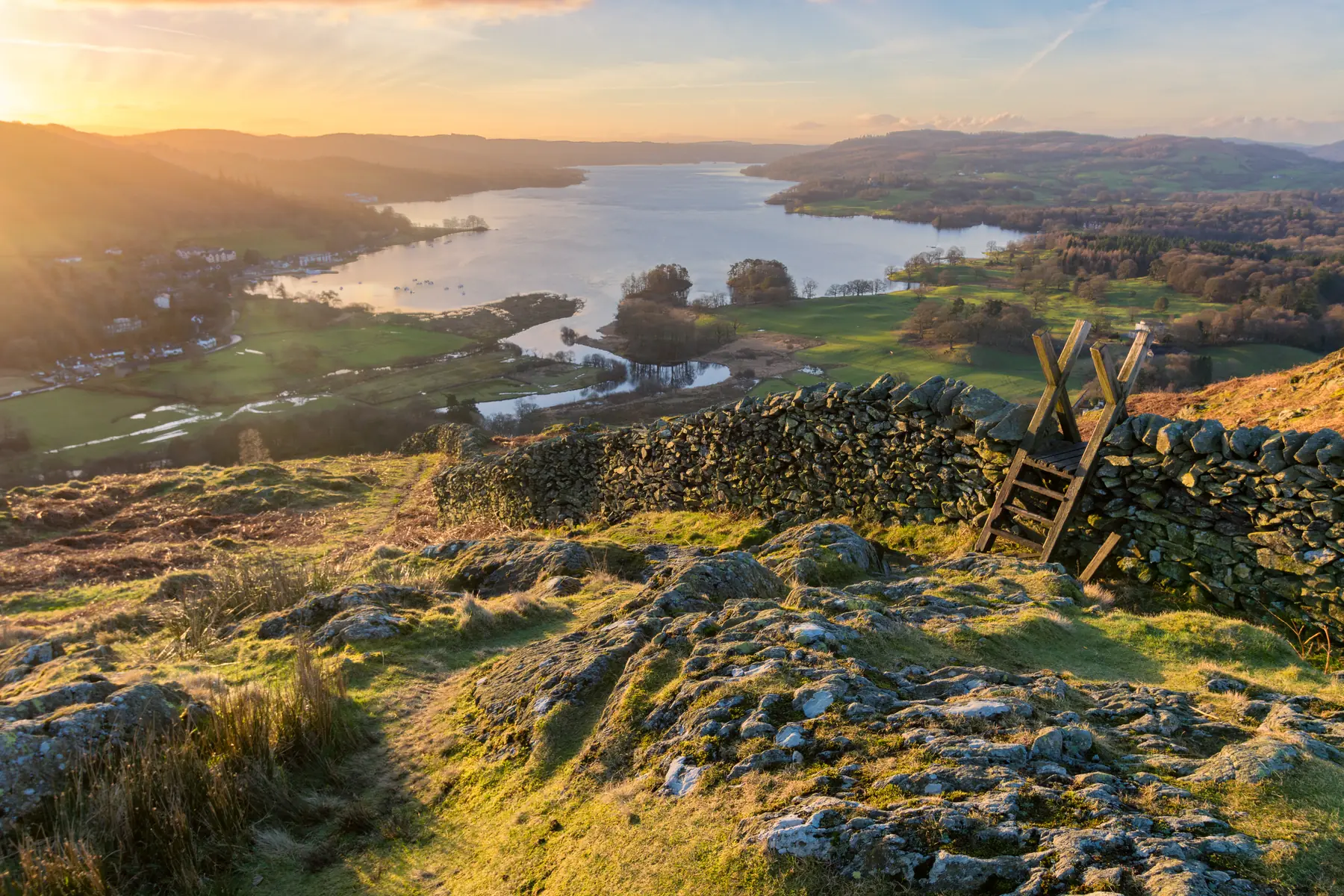
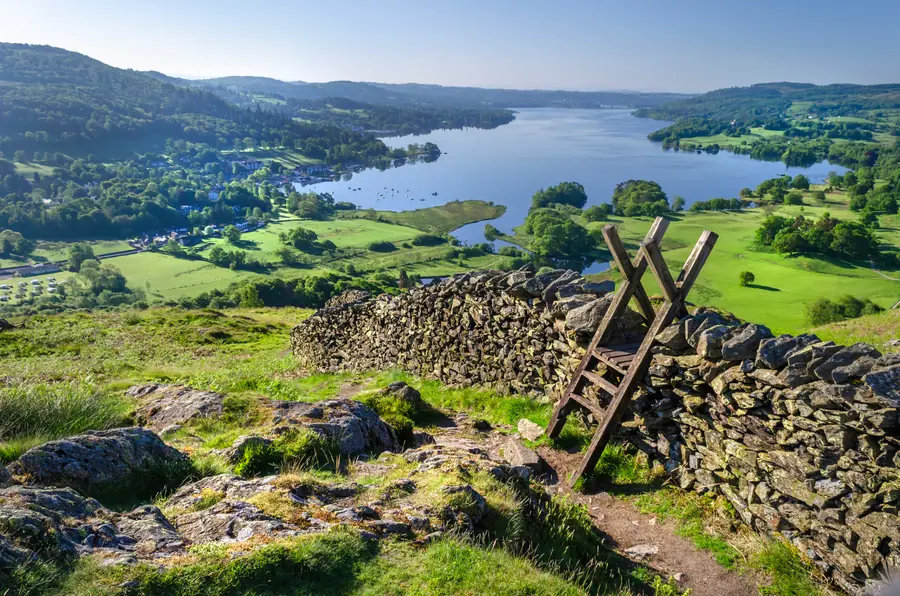
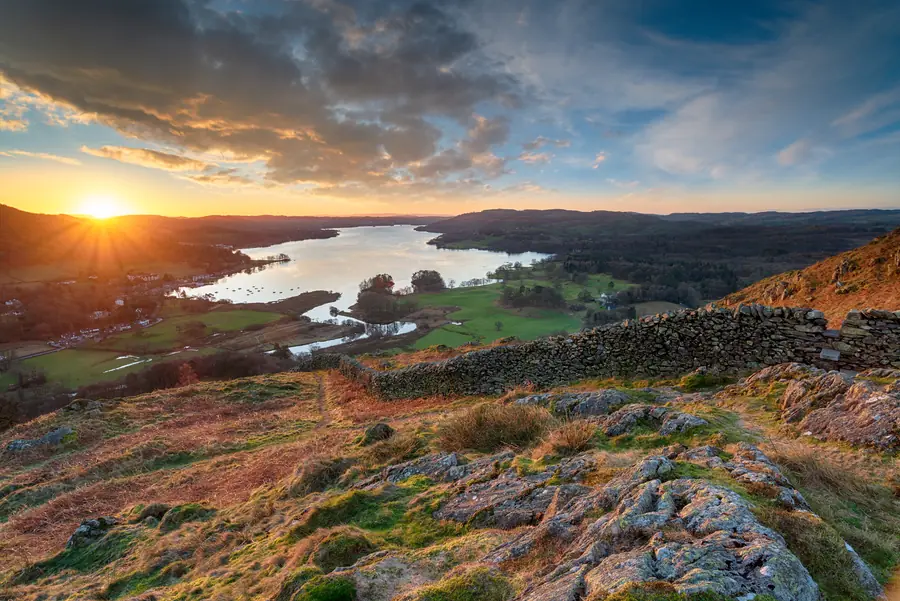
The Lake District, also known as the Lakes or Lakeland, is a mountainous region and national park in Cumbria, North West England.
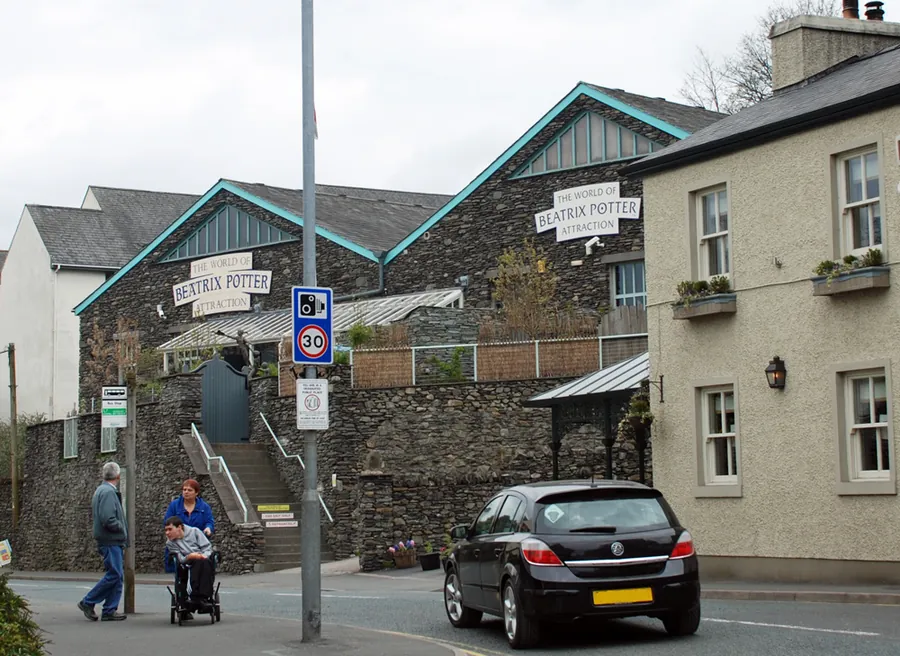
Lake District National Park, The World of Beatrix Potter Attraction and more: the attractions, the days out and how to plan your visit.
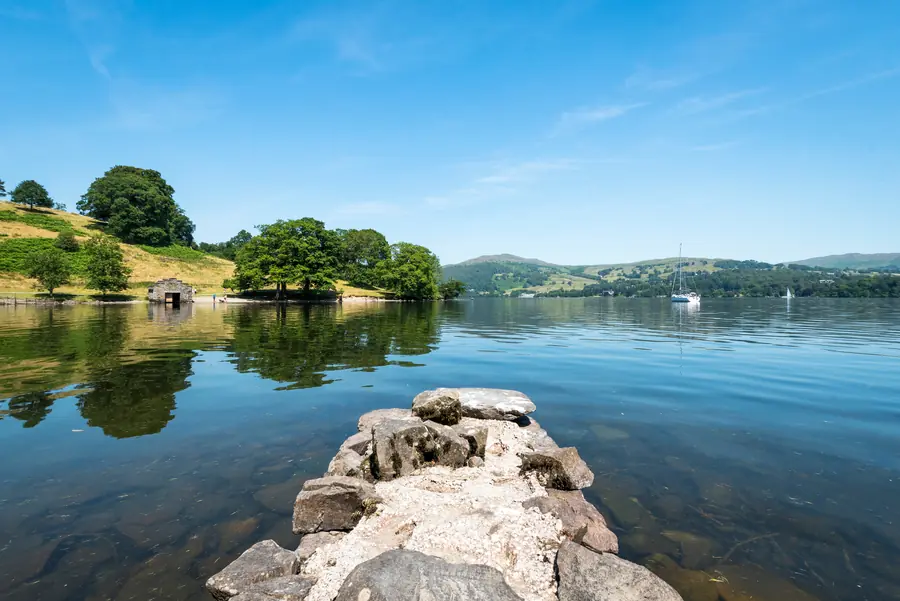
Windermere is two places with one name. The lake is a ribbon lake in Cumbria, inside the Lake District National Park, and the largest lake in England by length, area and volume, although considerably smaller than the largest Scottish lochs and Northern Irish loughs. The town is a settlement of 4,800 people at the 2021 census, and it stands back from the water: the lake front is at Bowness-on-Windermere, the adjoining town, about a mile off and roughly twenty minutes away on foot. Bowness had 3,814 people at the 2011 census and lies 7 miles (11 km) west of Kendal. Tourism is what both of them live on, and unless you are local the two are easily confused.
Arrival is at the top of the hill. Windermere station is the end of a branch line off the West Coast Main Line at Oxenholme, with trains every hour or so; there is no through train from London, so the change is made there. The forecourt has a taxi rank and frequent buses down to Bowness and on to Ambleside. From the station to the Bowness waterfront is 3.2 km in a straight line, about 1.5 miles and 20 to 30 minutes on foot, downhill the whole way. Lakeside, Newby Bridge and Haverthwaite stations are not a way of arriving: they belong to a steam excursion railway.
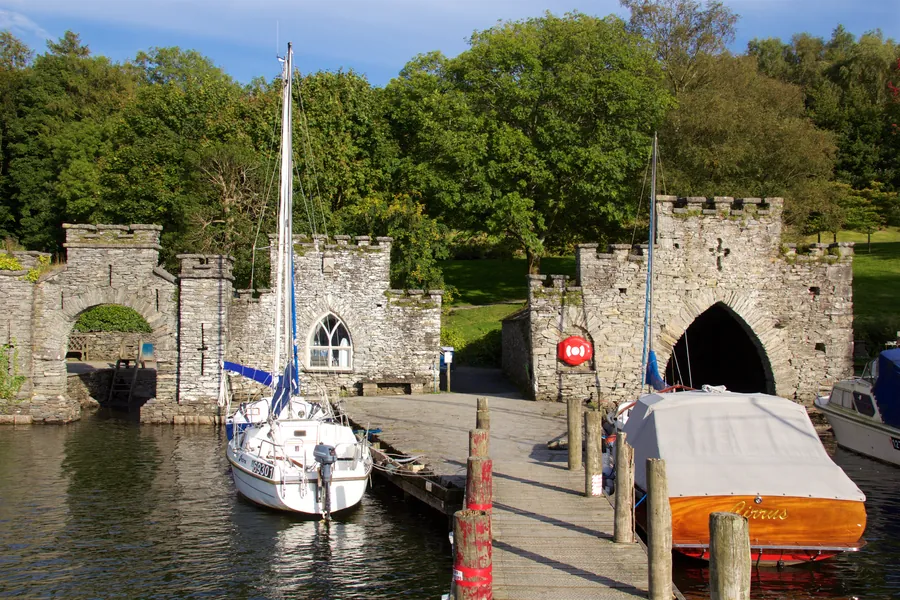
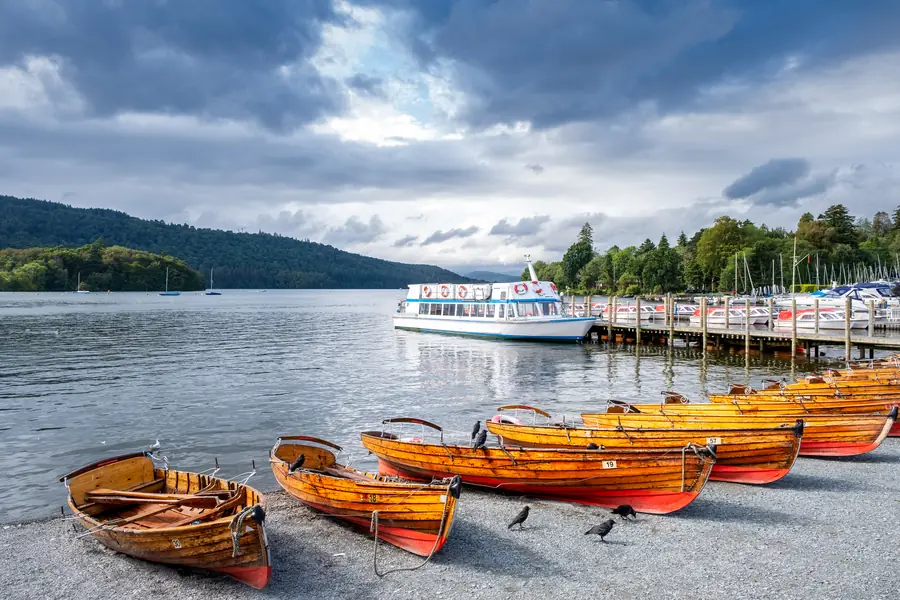
Bowness is where the lake business happens. Boats leave the piers there for circuits of the lake, north to Ambleside and south to Lakeside, where the restored railway and the Lakes Aquarium are. Bowness also holds the World of Beatrix Potter, 4.5 from 6,263 Google reviews, and a little up the eastern shore is the Windermere Jetty Museum, which reopened in March 2019 after twelve years closed and shows dugout boats dating from between 1200 and 1320.
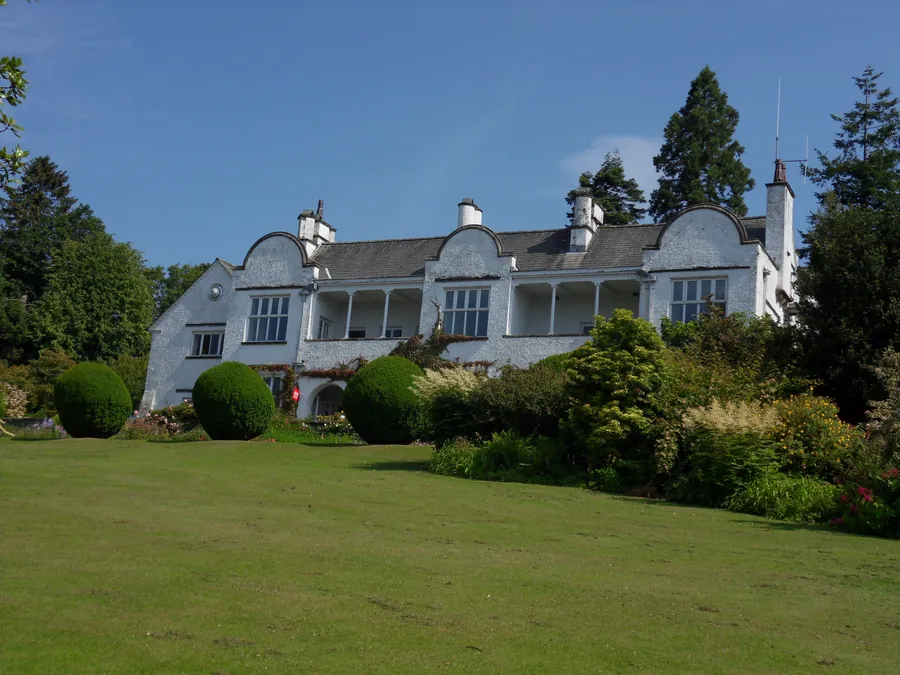
The western shore is wooded and quieter, reached by the Windermere Ferry, the car ferry carrying the B5285 across towards Hawkshead; the Claife Viewing Station and National Trust woodland are on that side, along with about three miles of traffic-free cycle path. Above the town is Orrest Head, 4.8 from 1,868 Google reviews and the walk most people here end up doing, which reviewers put at about thirty minutes each way on the easier of its two paths. A visitor in October 2021 wrote, “Although it says wheelchair accessible path, I would highly NOT recommend this.”
Two of the bigger names are not currently what they were. Wray Castle is shut indoors — “Closed for visitors inside till late 2027. But cafe and area outside still worth to see,” a visitor wrote in July 2026 — with its grounds and lake shore open. Brockhole, the national park’s visitor centre between Bowness and Ambleside, is being renovated under new ownership and divides people: 4.6 from 4,248 Google reviews, but visitors through mid-2026 found the café shut and activities closed.
Of the 210 visitor reviews gathered for this guide, 44 mention crowds, queues, being busy or parking. Parking alone accounts for 29, and not all of that is complaint — Lakeside, Sizergh and Holehird are praised for having enough. The pressure sits in two places: Bowness on a sunny day, and the small National Trust car parks.
At Bowness pier, a visitor in April 2026 wrote, “Busy place, overcrowded on a sunny day and hard to find parking.” Queues at the ticket offices are normal rather than ruinous; a visitor in May 2026 noted, “Despite the queues, boarding was smooth.”
Indoors is where crowding spoils the visit. Of the World of Beatrix Potter, a visitor in August 2026 wrote that “it was so busy and you could hardly move around it”. At Hill Top in Near Sawrey the constraint is the car park rather than the house. “Don’t forget to pre-book because the car park is very small,” a visitor wrote in July 2026, and another that month called parking there “a bit of a nightmare.”
Off-season it reverses. A visitor to Fell Foot in October 2025 wrote, “Arrived late afternoon, in early October & the Saturday crowds had gone home. No issues finding a spot in the car park at all.”
Half a day covers Bowness and the water: one of the shorter cruises, which reviewers describe as a 45-minute run from the pier, and either the World of Beatrix Potter or the Jetty Museum, whose ticket reviewers note is valid for a year.
A day adds Orrest Head first thing and a longer cruise afterwards. The yellow route runs south to Lakeside, where the Lakes Aquarium — 4.2 from 4,689 Google reviews, and the third most visited paying attraction in Cumbria — occupies about an hour and the steam railway leaves from the same pier; the red route runs north to Ambleside.
Two nights is what the western shore and the fells need: the ferry across to Claife and the Sawreys, Hill Top and Hawkshead, and a day in Ambleside for Stock Ghyll Force and the Bridge House. It also allows the circuit of the lake by bike, roughly 22 miles on back roads and cycle tracks; the car ferry and the Bike Boat both carry bicycles, so it closes as a loop. Assume rain: Holehird Gardens, ten acres run by the Lakeland Horticultural Society, is planted for the local climate and its high rainfall.
Distances are straight-line from the Bowness waterfront. Troutbeck Bridge is 2.6 km north, which Wikipedia gives as 1 mile (1.5 kilometres) north of Windermere on the A591; Brockhole, Holehird and Townend lie that way. Near and Far Sawrey are 3.6 km west across the water, with Hill Top between them. Hawkshead is 4.8 km, with Tarn Hows and the 245-metre Latterbarrow, one of the hills in Wainwright’s Outlying Fells of Lakeland.
Ambleside, 7.0 km north at the head of the lake, is the other town, with an estimated 2,586 people in 2022, Stock Ghyll Force above it and the Roman fort at Waterhead. Staveley is also 7.0 km, but east, on National Cycle Route 6 and one stop down the Windermere line. Satterthwaite, 8.1 km, is the way into Grizedale; Kentmere, 8.5 km up its own valley, had 159 people at the 2011 census.
Coniston is 9.6 km, 928 people at the 2011 census, with the Ruskin Museum and the steam yacht Gondola. Grasmere is 11.6 km, where William and Dorothy Wordsworth lived for fourteen years and called it “the loveliest spot that man hath ever found”. Kendal is 12.7 km, a market town just outside the Lake District.
Tours, tickets and days out — 61 bookable experiences, from guided walks to full-day trips beyond Windermere.
The most-visited sights in and around Windermere.
The Lake District, also known as the Lakes or Lakeland, is a mountainous region and national park in Cumbria, North West England.
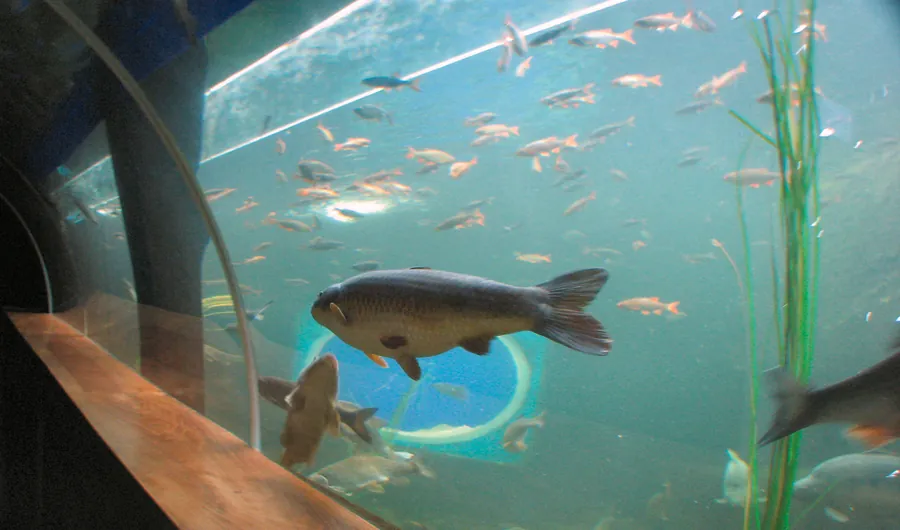
The Lakes Aquarium is an aquarium in the village of Lakeside on the southern shore of Windermere, Cumbria, England.
The Brockhole Lake District Visitor Centre, also known as the Brockhole National Park Visitor Centre, is a visitor centre and tourist attraction…
The top sights on one map — and a sensible order to see them in.
Windermere is at the end of a branch line from Oxenholme on the main West Coast route from London to Scotland. Trains run every hour or so. The is above the town, a few minutes walk from the centre. The station forecourt has bus stops with frequent service into the town and to Bowness-on-Windermere and Ambleside, and a taxi rank.
There is one coach per day to and from London. Local bus services run to and from Kendal, Lancaster and Keswick as well as to destinations throughout the Lake District.
Written from what we found on the ground.
 Windermere Lake Cruises: Routes, Boats and How to Use Them How the Windermere lake cruises work — the colour-coded routes from Bowness to Ambleside and Lakeside, the historic vessels, boat hire, the chain ferry and combination tickets. Read the guide →
  Day Trips From Windermere: The Southern and Central Lakes Where to go from Windermere — Ambleside and Grasmere, Coniston and Hawkshead, Keswick and Derwentwater, Ullswater, Kendal, Cartmel and the Furness coast. Read the guide →
  Where to Eat and Drink in Windermere Eating in Windermere and Bowness — the fine dining the Lakes is now known for, the lakeside pubs, the bakeries at Staveley, and where to eat in Ambleside and Grasmere. Read the guide →
 Guides, ideas and planning help for your visit, from the editors.
Read the guides